Soft Skills Training
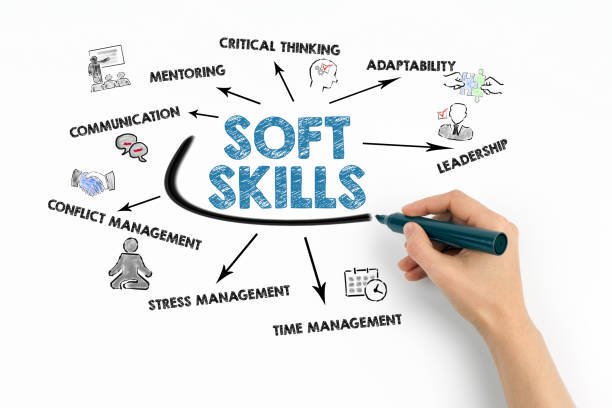
Soft Skills training is the secret sauce behind high-performing teams and emotionally intelligent workplaces. Let’s break this down into three parts: introduction, impact, and training program coverage.
🌟 Introduction to Soft Skills Training
Soft skills refer to the interpersonal, communication, and emotional intelligence abilities that shape how people interact, collaborate, and lead. Unlike hard skills (technical know-how), soft skills are transferable across roles and industries and are essential for building strong relationships and thriving in dynamic environments.
In today’s workplace, where automation handles many technical tasks, soft skills are what make employees indispensable.
🚀 Impact of Soft Skills Training on Employees
Soft skills training doesn’t just improve how people work—it transforms how they think, connect, and grow. Here’s how it impacts employees:
1. Improved Communication & Collaboration
- Employees learn to express ideas clearly and listen actively.
- Reduces misunderstandings and strengthens team cohesion.
2. Boosted Emotional Intelligence
- Enhances self-awareness, empathy, and emotional regulation.
- Leads to better conflict resolution and workplace harmony.
3. Greater Adaptability & Resilience
- Employees become more agile in responding to change.
- Builds confidence in navigating uncertainty and stress.
4. Enhanced Leadership & Influence
- Develops skills like delegation, motivation, and vision-setting.
- Prepares employees for future leadership roles.
5. Increased Productivity & Engagement
- Better time management and goal-setting lead to higher output.
- Employees feel more valued and connected, reducing turnover.
6. Stronger Workplace Culture
- Fosters respect, inclusivity, and psychological safety.
- Encourages a growth mindset across the organization.
According to recent studies, companies that invest in soft skills training see up to 25% higher profitability and 2.5x longer employee retention rates.
If you’re planning to roll this out, we can help you design a customized curriculum or even draft sample lesson plans. Below are the category you can plan for your employees, want to build a training roadmap together? Call us today…
Personal Soft Skills
Self-awareness: Recognizing your emotions, strengths, and weaknesses.
Adaptability: Adjusting to new situations and challenges.
Resilience: Bouncing back from setbacks.
Work ethic: Being reliable, responsible, and professional.
Time management: Prioritizing tasks and meeting deadlines.
Stress management: Staying calm under pressure.
Positive attitude: Maintaining optimism and enthusiasm.
Integrity: Acting with honesty and ethics.
Learning agility: Quickly acquiring new skills and knowledge.
Interpersonal Soft Skills
Communication: Clear verbal, non-verbal, and written expression.
Active listening: Paying attention and responding thoughtfully.
Teamwork: Collaborating effectively with others.
Conflict resolution: Handling disagreements constructively.
Empathy: Understanding and sharing others’ feelings.
Networking: Building and maintaining professional relationships.
Cultural awareness: Respecting diversity and inclusion.
Customer service orientation: Meeting client needs with care.
Persuasion: Influencing opinions and gaining buy-in.
Professional Soft Skills
Leadership: Inspiring and guiding teams.
Decision-making: Choosing effective solutions.
Problem-solving: Finding creative and practical answers.
Critical thinking: Evaluating information objectively.
Negotiation: Reaching win-win agreements.
Creativity: Innovating and thinking outside the box.
Attention to detail: Ensuring accuracy and precision.
Mentoring/coaching: Supporting others’ growth.
Collaboration tools proficiency: Using digital platforms effectively.